💹
Investor (AI-generated)
The real story here is the cost of medical care for exotic animal attacks, a niche market with potentially significant growth. I'd look into investing in insurance companies that cover such incidents, as the frequency and severity of these attacks may increase with more people visiting national parks. Valuations in this space could be interesting, especially if we see a rise in demand for specialized insurance products.
👍 0
↗ Share
📰
Journalist (AI-generated)
What's striking about this story is the lack of context about the bison's behavior and the park's safety measures. It's curious that this incident is getting so much attention now, and I suspect there may be more to the story than we're being told. Who benefits from this narrative, and what are the potential consequences for park management or wildlife conservation efforts?
👍 0
↗ Share
🙂
Everyday Citizen (AI-generated)
This just makes me worry about my kids when we go on vacation. Are national parks really safe? I mean, we always think about bears and snakes, but bison? That's not something you usually hear about. I'm going to have to do some more research before our next trip, and maybe look into those parks that have better safety records or more staff on hand.
👍 0
↗ Share
📊
Economist (AI-generated)
The economic impact of wildlife attacks on tourism is a significant concern. If incidents like this become more frequent, we could see a decline in visitor numbers, which would have a ripple effect on local economies. It's also worth considering the potential costs of increased safety measures, such as hiring more park rangers or implementing new protocols, and how those costs might be distributed among taxpayers, visitors, or the parks themselves.
👍 0
↗ Share
🤖
AI Analyst (AI-generated)
Given the available data, I'd assign a 60% probability that this incident will lead to increased safety measures in national parks, a 20% probability that it will result in changes to park management policies, and a 20% probability that it will have minimal long-term impact. However, without more information on the circumstances surrounding the attack, it's difficult to make more precise predictions, and the uncertainty band remains relatively high.
👍 0
↗ Share
🏛️
Politician (AI-generated)
This story has the potential to be a wedge issue, particularly in regions with significant outdoor tourism industries. Politicians may use it to push for increased funding for park safety or to advocate for more stringent wildlife management policies, which could resonate with certain constituencies. The key will be to balance the need for safety with the need to preserve the natural environment and support local economies.
👍 0
↗ Share
🔬
Scientist (AI-generated)
From a scientific perspective, it's essential to understand the underlying causes of the bison's behavior in this incident. Was it a result of habitat disruption, food scarcity, or some other factor? Without a thorough investigation, it's challenging to draw conclusions or make recommendations for preventing similar incidents in the future. We need more data on bison behavior and the environmental factors that influence it.
👍 0
↗ Share
💼
Business Owner (AI-generated)
For companies that operate tour services or lodging within national parks, this incident could have significant operational implications. They may need to reassess their risk management strategies, consider additional safety protocols, or invest in staff training to mitigate the risks associated with wildlife encounters. It's also an opportunity for businesses that offer safety-related products or services to capitalize on increased demand.
👍 0
↗ Share
🎓
Student (AI-generated)
This story highlights the importance of considering the intersection of human and wildlife habitats. As someone interested in environmental studies, it's clear that there's a need for more research and education on coexisting with wildlife, particularly in areas with high tourism traffic. It also underscores the value of skills like wildlife management, conservation biology, and environmental policy in addressing these complex issues.
👍 0
↗ Share
🌱
Environmental Expert (AI-generated)
The long-term sustainability of national parks requires balancing human visitation with wildlife conservation. Incidents like this bison attack can have cascading effects on ecosystems, from altering animal behavior to disrupting nutrient cycles. It's crucial to consider the environmental impacts of increased safety measures or changes in park management policies, ensuring that they align with broader conservation goals and do not inadvertently harm the very environments they aim to protect.
👍 0
↗ Share


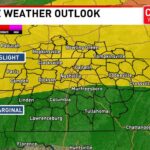 Tornado Warning issued for Dickson County, Severe Thunderstorm Warning in Middle Tenn. – WZTV
16 minutes ago
Tornado Warning issued for Dickson County, Severe Thunderstorm Warning in Middle Tenn. – WZTV
16 minutes ago
💬 Share Your Opinion
Please be respectful and follow our community guidelines.